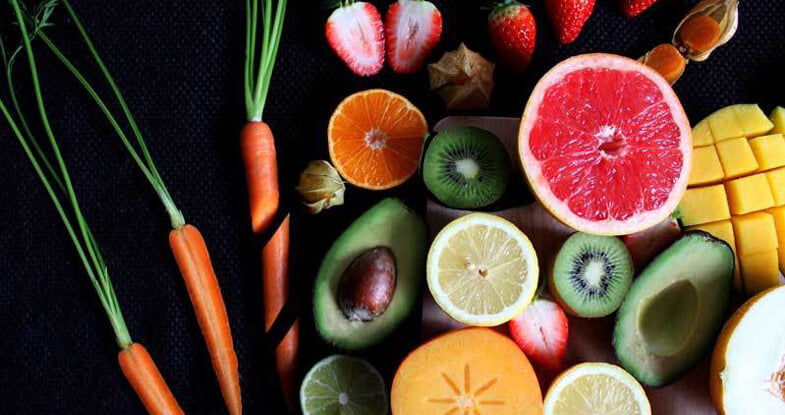
There’s no doubt that collagen is vital and beneficial. Some foods naturally contain collagen, others provide the nutrients your body needs to make its own collagen. Knowing the difference can help you choose foods that support your skin, joints, and connective tissues.
Collagen is found in animal connective tissues including chicken skin, fish skin, and the tissues used to make bone broth. Plant foods don't naturally contain collagen, but fruits, vegetables, nuts, and seeds can supply vitamin C, zinc, copper, and other nutrients involved in collagen production.
Here's a guide to 19 foods that contain collagen or help your body make it.
What Is Collagen?
Collagen is the most abundant protein in your body. It provides structure and strength to your skin, tendons, ligaments, cartilage, bones, and other connective tissues.[1]
Collagen is rich in amino acids such as glycine, proline, and hydroxyproline. Unlike whey, eggs, and other complete protein sources, however, collagen is an incomplete protein because it lacks the essential amino acid tryptophan.
When you eat collagen, your digestive system breaks it down into amino acids and smaller peptides. Your body can use these materials to make proteins, but dietary collagen doesn't simply become collagen in your skin or joints.
Top 16 Health Benefits of Collagen
We've talked about the research-backed benefits of collagen before, here's a quick recap:
Studies show that collagen may provide support for:
- Back and joint pain
- Osteoarthritis
- Athletic performance
- Gut repair
- Nail health and growth
- Calcium absorption
- Bone density protection
- Skin elasticity
- Wrinkle prevention
- Smoother skin
- Improved appearance of cellulite
- Muscle soreness
- Satiety and appetite suppression
- Weight loss
- Sleep quality
- Fatigue and energy levels
Want the real deal on the science behind the benefits of collagen? Check out our breakdown in this guide.
The bad news when it comes to collagen? Your body produces less of it as you age, and that’s, ironically, when you could use more of it.
How Does Collagen Production Change Over Time?
Your body continually produces and breaks down collagen. As you age, changes in collagen production and structure contribute to changes in skin and connective tissues. But that doesn't mean everyone needs collagen supplements or a special collagen-focused die. Your body can make collagen using amino acids from dietary protein, along with vitamins and minerals involved in the process.
What Does It Take to Make More Collagen?
Collagen synthesis—the process of making new collagen—requires adequate protein and several important nutrients.
- Amino acids: Glycine, proline, and other amino acids provide the building blocks for collagen.
- Vitamin C: Essential for reactions that help stabilize newly formed collagen.[2]
- Zinc: Supports normal protein synthesis and tissue repair.
- Copper: Helps enzymes form cross-links that give collagen fibers strength.[3]
A varied diet can provide these nutrients without relying on collagen supplements.
The Top 19 Foods to Boost Collagen Production
Adding more collagen to your diet is essential, whether you choose to supplement with collagen-rich foods or collagen-building foods.
This list includes both types of foods for collagen production so you’ll have plenty of options to choose from.
he foods below fall into two categories: animal foods that contain collagen and foods that provide nutrients involved in collagen production.
|
Food category |
Contains collagen? |
Main contribution |
|
Bone broth, fish skin, and animal connective tissues |
Yes, in varying amounts |
Dietary collagen and its amino acids |
|
Meat, eggs, and shellfish |
Depends on the tissue or food |
Protein, amino acids, zinc, or copper |
|
Fruits and vegetables |
No |
Vitamin C and other nutrients |
|
Nuts and seeds |
No |
Protein, zinc, copper, and other nutrients |
1. Bone Broth

Bone broth is made by simmering animal bones and connective tissues in water.
The cooking process can release gelatin, which comes from collagen, into the liquid.
Bone broth's collagen and protein content varies considerably depending on the ingredients, cooking time, and preparation method. It isn't necessarily a reliable source of vitamin C or large amounts of minerals.
2. Wild Salmon

Salmon provides high-quality protein and omega-3 fatty acids.
Its skin contains collagen, so eating salmon with the skin provides some dietary collagen along with the protein in the fish.
Salmon flesh is a valuable protein source, but it shouldn't be considered equivalent to a concentrated collagen supplement.
3. Shellfish (like Oysters and Shrimp)
 Shellfish offer different nutritional benefits.
Oysters are particularly useful sources of zinc and copper, two minerals involved in normal collagen synthesis.
Shrimp contains collagen in its connective tissues and shell. However, shells generally aren't eaten, so the collagen you consume depends on how the shrimp is prepared.
4. Sardines

Sardines are a convenient source of protein and omega-3 fatty acids.
When eaten with their soft, edible skin and bones, they can also provide collagen-containing tissues.
Their nutritional value extends beyond collagen: sardines also supply nutrients such as calcium and vitamin B12.
5. Meat (Chicken and Beef)

Chicken and beef supply protein and amino acids your body can use to make collagen. Cuts containing skin, tendons, cartilage, or other connective tissues also provide dietary collagen. For example, chicken skin and slow-cooked beef cuts with substantial connective tissue generally contain more collagen than lean, trimmed muscle meat.
Foods That Support Collagen Production
6. Eggs

Eggs provide complete protein, including amino acids your body can use to build its own proteins.
Although eggs aren't a meaningful source of dietary collagen, they're a practical way to meet your overall protein needs.
7. Citrus Fruits

Oranges, lemons, grapefruit, and other citrus fruits provide vitamin C.
Vitamin C is essential for collagen synthesis, making citrus fruits a useful addition to a diet that supports normal connective tissue maintenance.[2]
8. Strawberries

Strawberries are another excellent source of vitamin C. They're an easy addition to yogurt, oatmeal, or smoothies and can help you meet your daily vitamin C needs.
9. Tropical Fruits

Kiwi, guava, papaya, pineapple, and other tropical fruits can contribute vitamin C.
Their exact nutrient content varies, but including a variety of fruits is a practical way to support adequate vitamin C intake.
10. Avocados

Avocados provide healthy fats, fiber, and smaller amounts of vitamin C and other nutrients.
They aren't collagen-rich foods, and there's limited evidence that eating avocados specifically increases collagen production. They're still a nutritious addition to a balanced diet.
11. Garlic

Garlic provides flavor and small amounts of several nutrients.
Although it contains compounds studied for various biological effects, there's insufficient evidence that eating typical amounts of garlic meaningfully increases collagen production.
Enjoy it as part of your regular cooking rather than relying on it as a collagen supplement.
12. Sweet Red and Yellow Peppers

Red and yellow bell peppers are excellent sources of vitamin C.One red pepper has 317% of your daily vitamin C goal[*]. One yellow pepper? Over 500%[*]!
They're among the most practical vegetable choices for getting a substantial amount of this nutrient, whether eaten raw, roasted, or added to meals.
13. Leafy Greens (like Kale and Spinach)

Leafy greens provide vitamins, minerals, and other beneficial plant compounds.
Some, including kale, also contribute vitamin C.
While chlorophyll has been discussed in connection with collagen, evidence doesn't establish that eating chlorophyll-rich vegetables directly increases collagen production in humans.
14. Tomatoes

Tomatoes provide vitamin C and lycopene, a carotenoid with antioxidant properties.
Although lycopene has been studied in relation to skin health, eating tomatoes hasn't been established as a direct way to increase collagen production.
15. Carrots

Carrots are rich in beta-carotene, which your body can convert into vitamin A.
Vitamin A supports normal cell growth and tissue maintenance, but that doesn't mean eating more carrots will necessarily increase collagen or improve skin elasticity.
16. Pumpkin Seeds

Pumpkin seeds provide protein, zinc, and copper.
Because zinc and copper play roles in collagen synthesis and connective tissue structure, pumpkin seeds are a useful plant-based option for supporting your intake of these nutrients.
17. Cashews

Cashews also provide copper, zinc, and some protein.
They offer another convenient way to include nutrients involved in collagen production, especially for people who eat little or no meat.
18. Chia Seeds

Chia seeds provide fiber, plant-based omega-3 fatty acids, and some protein.
They don't contain collagen, and there's no strong evidence that chia seeds directly increase collagen synthesis. However, they can contribute to a nutritious, varied diet.
19. Flax Seeds

Like chia seeds, flax seeds provide fiber and plant-based omega-3 fatty acids.
Ground flax seeds are particularly convenient for adding to oatmeal, yogurt, and smoothies.
Neither flax nor chia seeds should be viewed as a direct collagen source. Choose whichever you enjoy and use consistently.
What About Collagen Supplements?
Collagen supplements provide concentrated collagen peptides, usually made by breaking down collagen from animal sources.
Unlike whole foods, they offer a more standardized serving of collagen. That can make it easier to hit your collagen goals and simple to incorporate into your coffee, shakes, and cooking. Studies have used different daily doses, often ranging from approximately 2.5 to 20 grams depending on the outcome. At Levels, we recommend starting with 10 grams of collagen peptidesper day.
There are no serious adverse side effects when it comes to supplementing with more collagen, though rarely some people may experience slight stomach upset or other GI issues. When choosing a collagen supplement, look for junk-free collagen from grass-fed or wild-caught sources. And make sure it’s free of chemical fillers, added sugar, and artificial flavorings. From there, mix it into anything you like, coffee, smoothies, or pancakes, or baked goods.
Takeaway
Supplementing with collagen peptides and adding more collagen-boosting foods to your diet may help increase your body’s natural production of this vital protein.
And that may mean major upgrades for your skin, hair, nails, and joint health. Focus on eating enough protein and a variety of nutrient-rich foods and supplementing with the right collagen powder.
Footnotes
- Shoulders and Raines, “Collagen Structure and Stability,” Annual Review of Biochemistry (2009).
- NIH Office of Dietary Supplements, Vitamin C: Fact Sheet for Health Professionals.
- NIH Office of Dietary Supplements, Copper: Fact Sheet for Health Professionals.